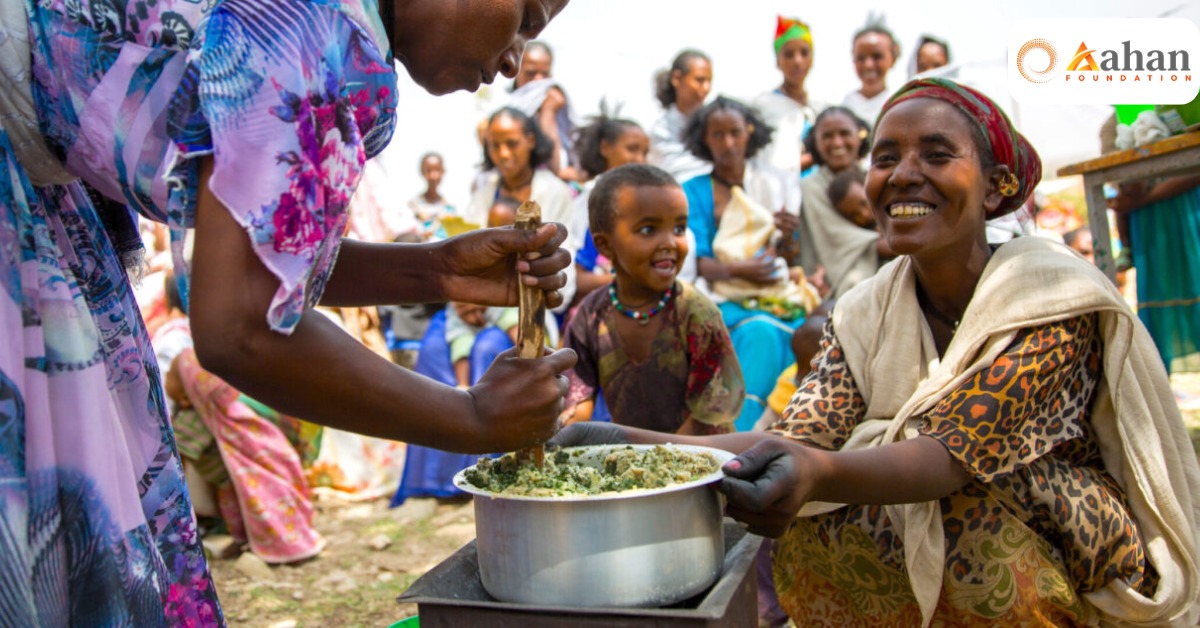
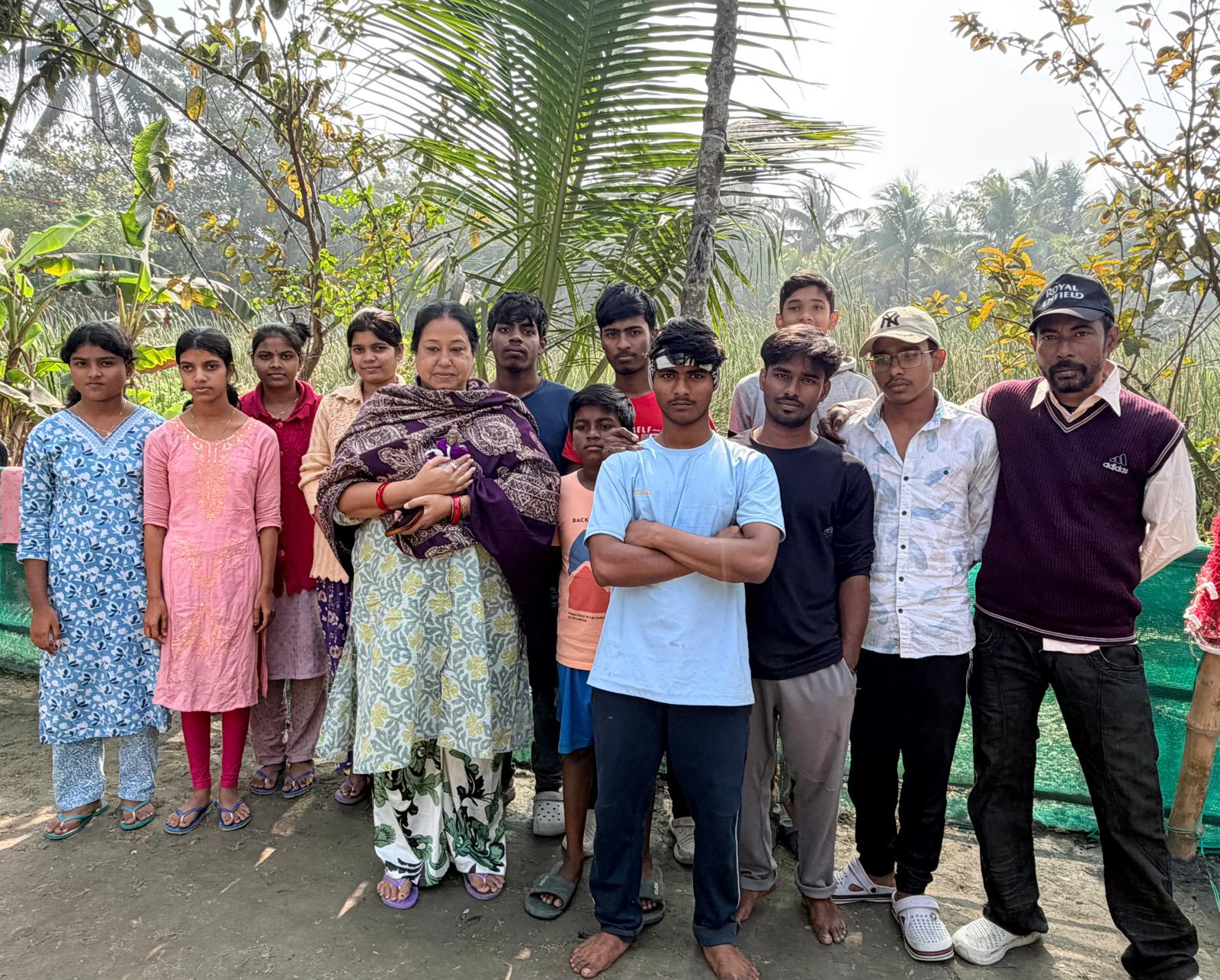
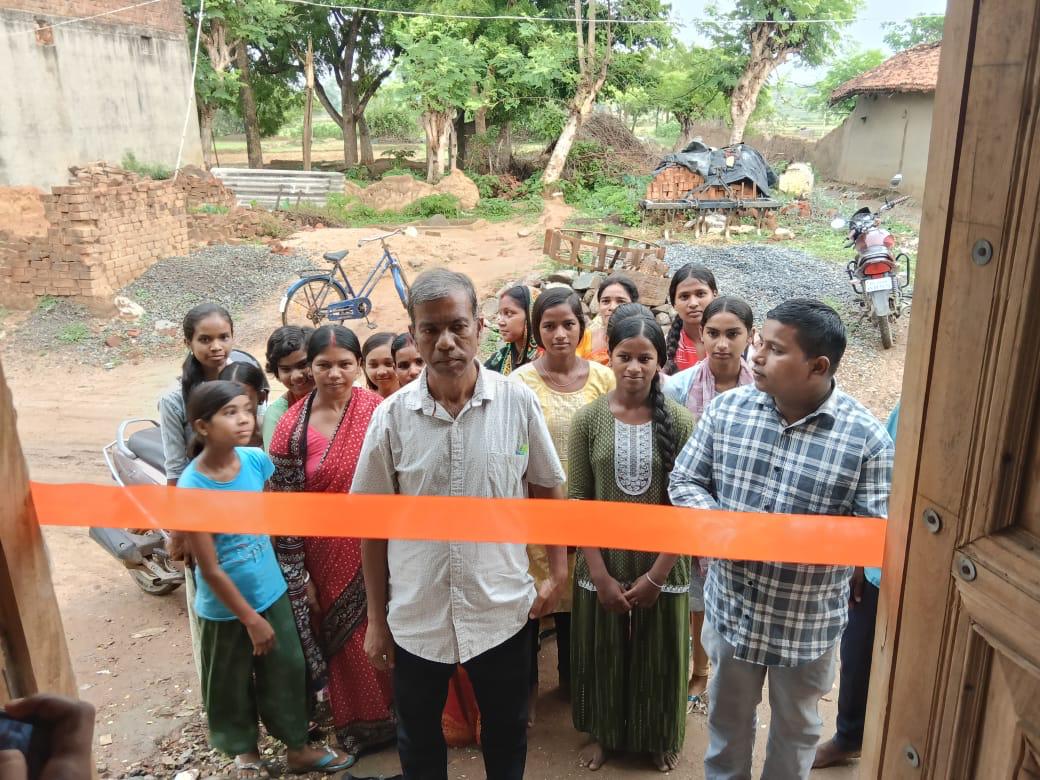
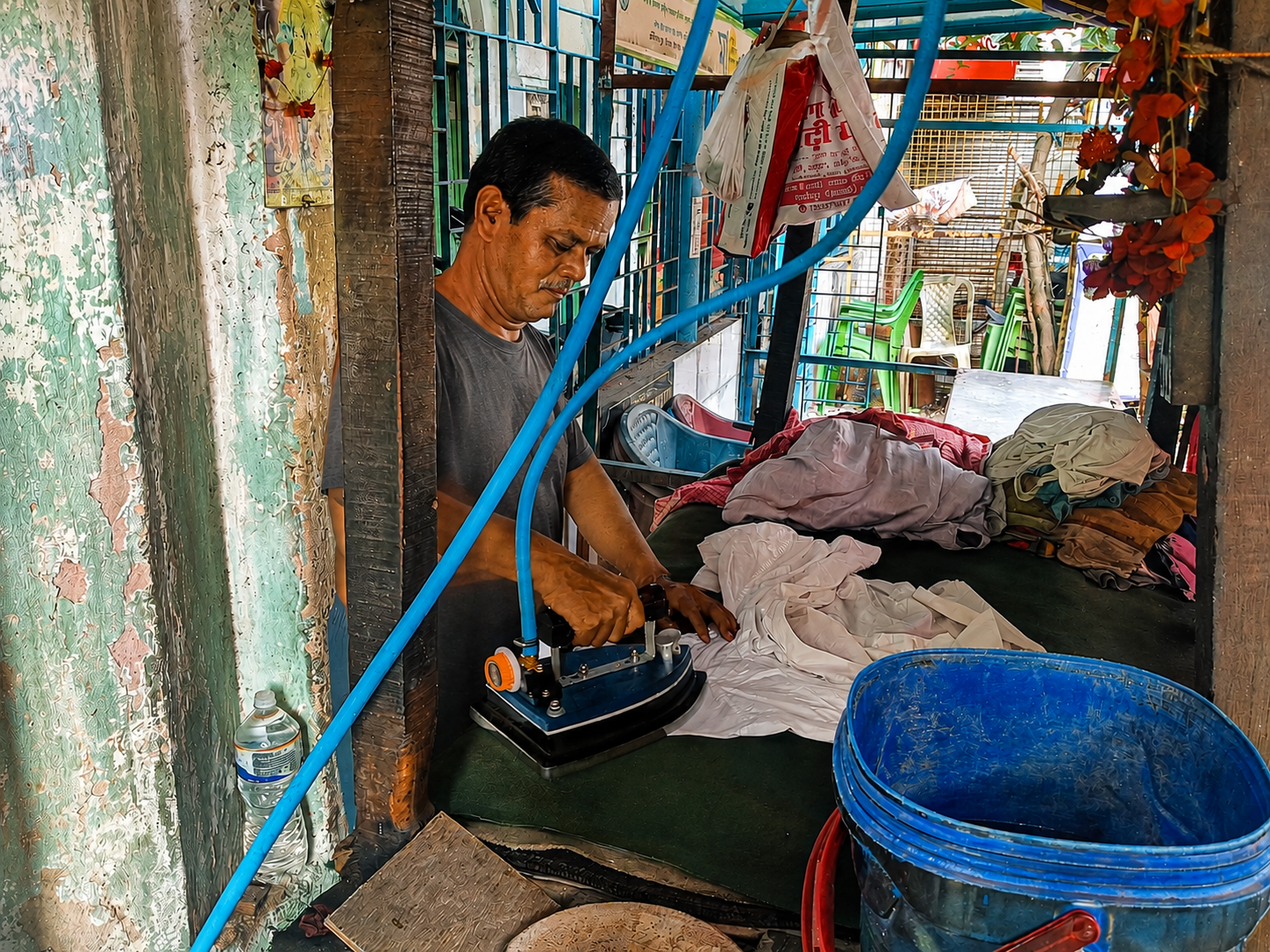
Project Thrive is dedicated to ensure every individual, regardless of circumstance, has access to nutritious food and quality healthcare — empowering communities to move from mere survival to lasting well-being and dignity
Objectives
- Combat Malnutrition:
Deliver balanced, nutrient-rich meals to undernourished children, women, and vulnerable communities to eradicate hunger and improve long-term health outcomes.
- Enable Access to Healthcare:
Provide primary health services, preventive care, and nutrition-linked health interventions in underserved areas.
- Promote Nutrition Awareness:
Educate communities about healthy eating, hygiene, and preventive healthcare to build self-reliance and resilience.
- Restore Dignity and Empowerment:
Treat food and health not as charity but as fundamental human rights — restoring dignity through compassion and care.
- Build Sustainable Ecosystems:
Partner with local governments, NGOs, and community organizations to create lasting systems for nutrition security and healthcare delivery.
- Empower Through Livelihoods:
Where possible, engage local women’s groups and small farmers in food preparation and supply chains — creating income opportunities while feeding communities.
Approach
Integrated “Food + Health” Delivery Model
Concept: Treat hunger and ill-health as interlinked issues, not separate problems.
Approach:
- Dual-track interventions — every food distribution opportunity becomes a touchpoint for basic health screening and awareness.
- Meal + Medical Kit Model: Each beneficiary receives both nutritious meals and basic healthcare essentials (e.g., vitamins, hygiene kits, supplements).
Health & Nutrition Awareness and Education
Concept: Long-term change requires knowledge, not just aid.
Approach:
- Conduct regular awareness sessions on balanced diets, maternal health, sanitation, and preventive care.
- Integrate nutrition education into schools and community centers.
- Use local language, storytelling, and visual tools to ensure cultural relevance.
Partnerships and Collaboration
Concept: Thrive as a catalyst, not a silo.
Approach:
- Partner with local governments, primary health centers (PHCs), CSR programs, and nutrition NGOs for convergence.
- Collaborate with corporate CSR partners for funding, logistics, and scalability.
- Engage academic and medical institutions for health data analytics and impact validation.
Key Performance Indicators (KPIs)
- Nutrition Access & Impact
| Category |
KPI |
Measurement Metric |
Frequency |
| Meals Provided |
Number of nutritious meals served |
Total count of meals distributed per month/quarter |
Monthly |
| Beneficiaries Reached |
Individuals receiving regular nutrition support |
Number of unique individuals fed (disaggregated by age, gender) |
Quarterly |
- Healthcare Access & Outcomes
| Category |
KPI |
Measurement Metric |
Frequency |
| People Provided Health Services |
Total individuals receiving diagnosis, treatment, or preventive care |
Count verified through attendance and service records |
Bi-Annually |
| Number of Health Centers/Hospitals supported |
Total Number of patients receiving the benefits from the Equipment/Kits being provided |
Count & Dollar Spent |
Bi-Annually |
- Organizational & Financial Performance
| Category |
KPI |
Measurement Metric |
Frequency |
| Program Efficiency Ratio |
% of funds directly used for program delivery (vs admin) |
(Program spend ÷ Total spend) × 100 |
Bi-Annually |
| Cost per Beneficiary |
Average cost to provide nutrition + health support to one person |
Total program cost ÷ beneficiaries served |
Bi-Annually |
| Donor Retention & Growth |
Year-over-year donor renewal and new donor acquisition rate |
% growth |
Annually |
Expected Impact
Project Thrive will enable underprivileged individuals and communities to move from a state of hunger and ill health to one of vitality, dignity, and self-sustaining well-being — creating a ripple effect of healthier, more equitable societies.